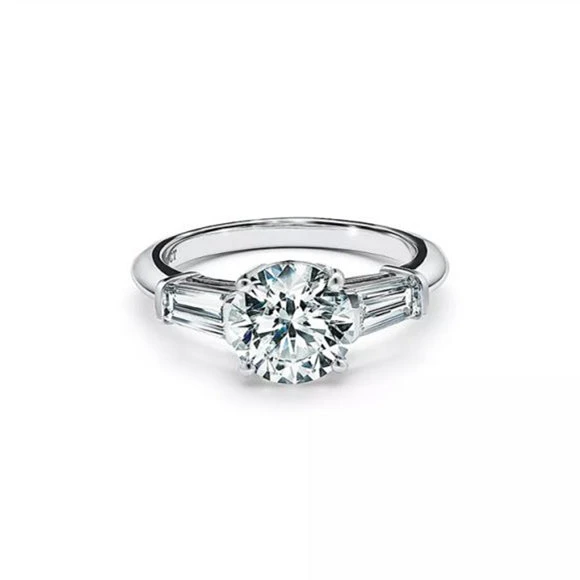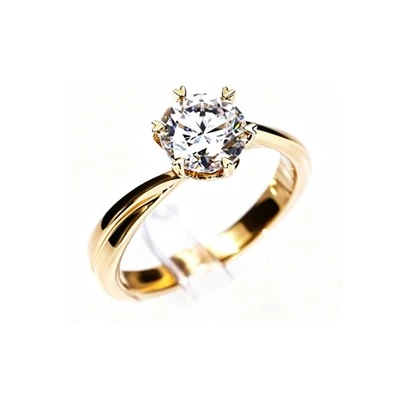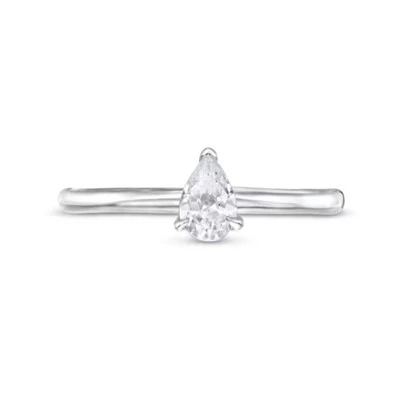

When purchasing fancy-shaped diamonds, always request authoritative certificates such as GIA or NGTC. For high-clarity diamonds (VVS or higher), it is advisable to obtain an additional NGTC mounted-diamond certificate. Ask the vendor for a 360-degree high-definition video to inspect details like the "bow-tie effect" and girdle uniformity. Additionally, verify the "diamond proportion diagram" and "clarity plot" in the certificate to ensure the parameters meet your expectations and that any inclusions are not located in conspicuous areas like the table or the culet (tip).
Unlike round brilliant diamonds, fancy-shaped diamonds do not carry a "3EX" (Triple Excellent) rating; selection should focus on four key parameters: length-to-width ratio, table percentage, total depth percentage, and facet count. Recommended length-to-width ratios are 1.45–1.55 for oval cuts and 1.75–2.55 for marquise cuts. Recommended table percentages are 55%–60% for cushion cuts and 60%–65% for emerald cuts. For pear cuts, the total depth percentage should ideally be 57%–65%, while for radiant cuts, it should not exceed 65%.
For diamonds intended for daily wear, prioritize cut parameters (length-to-width ratio and total depth percentage). Clarity requirements can be relaxed to SI1-provided the table is free of inclusions-and color grades of H or I are acceptable.
When selecting princess-cut diamonds, inspect the table for inclusions and check the corners; a "French tip" is recommended, and clarity should be VS2 or higher. For pear-cut diamonds, focus on ensuring the tip is rounded and full; a "French tip" is recommended, along with a length-to-width ratio of 1.50–1.75 and a total depth percentage of 57%–65%. Emerald-cut diamonds feature step-cutting, which places high demands on clarity; VS or higher is recommended, and a prong setting is preferred. For marquise-cut diamonds, pay attention to girdle thickness; the certificate should indicate "Medium" or "Thick" rather than "Thin," with a length-to-width ratio of 1.75–2.55. Radiant-cut diamonds have multiple facets that can mask minor inclusions, making SI1 or higher clarity acceptable; choose between square (length-to-width ratio ≤ 1.03) or rectangular (ratio 1.11–1.40) shapes based on personal preference. When considering oval-cut diamonds, it is important to check for the "bow-tie effect"; visually, they appear 15%–20% larger than round diamonds of the same carat weight.