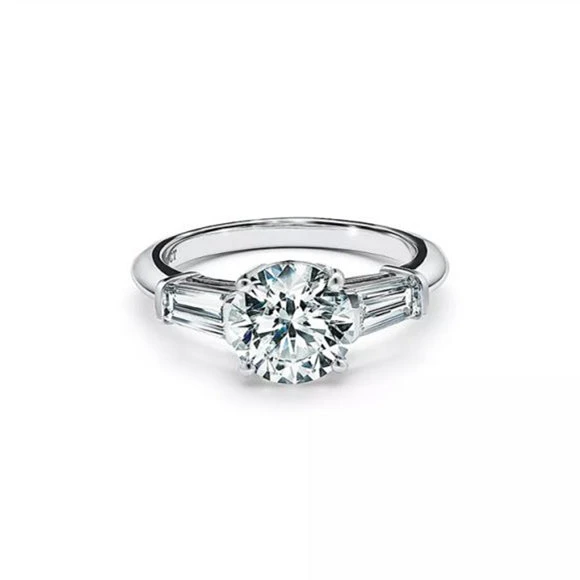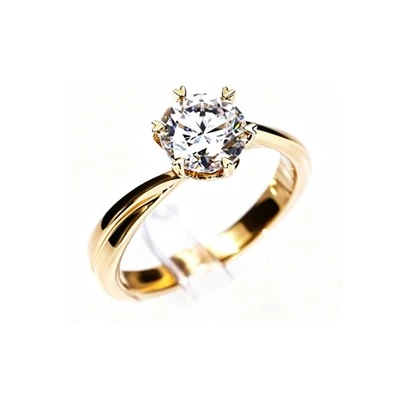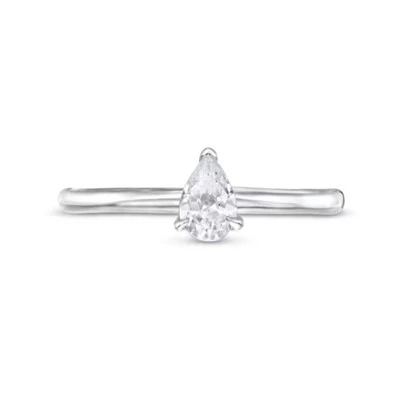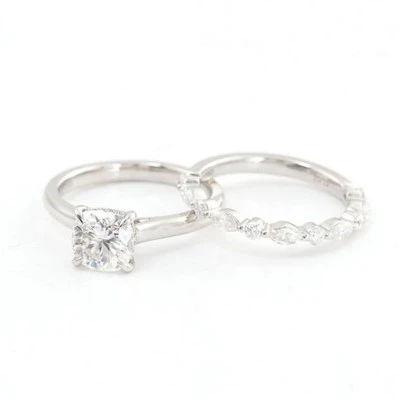

Lab-grown diamonds are polycrystalline diamonds formed by the aggregation of diamond crystals ranging from 10 to 30 nanometers in diameter. Early synthetic diamonds often exhibited a faint, syrup-like tint due to the incorporation of atmospheric nitrogen atoms into the crystal lattice; however, thanks to improved production methods developed by scientists, modern synthetic diamonds are visually indistinguishable from natural diamonds. Due to differences in their formation environments, synthetic diamonds possess a complex molecular structure rather than the perfect octahedral structure found in natural diamonds, a characteristic that can give rise to phosphorescence. As production technology has matured, synthetic diamonds have gained prominence in the jewelry market, offering the advantages of low production costs and the ability to create diamonds in a wide range of colors.
Although man-made diamonds produced in laboratories or factories have existed for decades, gem-quality synthetic diamonds are a relatively recent development. These gem-grade stones are created using either the High-Pressure High-Temperature (HPHT) method or the Plasma-Enhanced Chemical Vapor Deposition (PECVD) method. While synthetic diamonds were originally intended primarily for industrial applications-such as the manufacture of cutting tools-they are now also utilized in the jewelry industry.